11

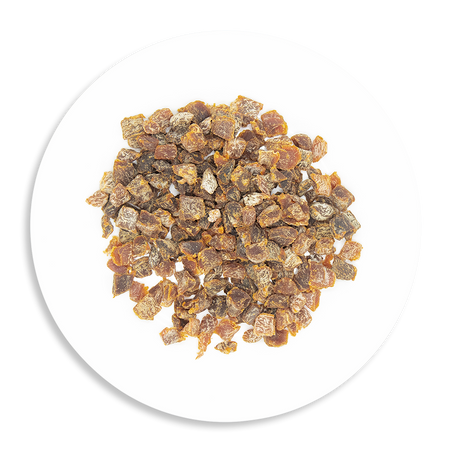
Dried Apricots Diced

Write a Review
SKU: FR.APRIK1
ORIGIN: Turkey
Allergen: Contains Sulphur Dioxide
$18.71 - $218.29
Prunus armeniaca — Turkey
Sweet-Tart Chewy Pieces
Baking · Muesli · Trail Mix
⚠ Contains Sulphites

Apricots may be small, but they're big on both flavor and nutrition. These yellow-orange fruits are rich in vitamins and minerals, with a flavor ranging from sweet to sweet-tart, depending on the variety. The flesh of apricots is soft and somewhat juicy when ripe, and they have a velvety skin with soft fuzz.

Prunus armeniaca originated in China, where it was first cultivated about 4,000 years ago. This delicious stone fruit held high favor with locals, traders, and travelers, so it's no surprise that it began its journey west along the Silk Road. Over time, apricots began growing across Central Asia and the Middle East.

Apricots reached the Mediterranean about 2,000 years ago, where they flourished in the warm, sunny climate. Today, Turkey and Iran  are the world’s largest producer of apricots.

There are many different apricot varieties to enjoy, the most popular being Blenheim, Tilton, and Moorpark.

Health Benefits

Thanks to their high amount of vitamins, flavonoids, and potassium, apricots have significant health benefits.

Flavonoids work to protect and strengthen your blood vessels while reducing signs of inflammation. Potassium, an important mineral for nerve and muscle function, is also crucial for helping nutrients move around the body. Plus, it supports healthy blood pressure and heart health.

Here are a few more health benefits of apricots:


Skin Protection

Antioxidants like vitamin E and vitamin C are known for their skin-boosting properties. They can help to protect skin cells from ultraviolet (UV) radiation, reduce signs of early wrinkles, and improve skin elasticity. Beta-carotene is another antioxidant that helps to protect your skin from sunburns and additional UV damage. Since apricots have high water content, they're also a good way to hydrate your skin. One cup of apricots offers about 2/3 of a cup of water.

Healthy Vision


Rich in vitamin A, beta-carotene, and other carotenoids, apricots are excellent for promoting eye health. Lutein helps to support retina and lens health, while carotenoids and vitamin E support overall vision. Apricot nutrients also help to reduce the risk of macular degeneration and cataracts.

Better Digestion

Apricots offer plenty of good dietary fiber to help your digestive tract. Their total fiber content is about half soluble fiber and half insoluble fiber. Soluble fiber helps your digestive tract retain enough water and encourages good bacteria to thrive. Insoluble fiber is also good for healthy gut bacteria levels.


Nutrients per Serving

One whole, fresh apricot contains:

  • Calories: 17
  • Protein: Less than 1 gram
  • Fat: 0 grams
  • Carbohydrates: 4 grams
  • Fiber: 1 gram
  • Sugar: 3 grams
  • Cholesterol: 0 milligrams
  • Sodium: 0 milligrams

Apricots are low in fat but rich in vitamin A and beta-carotene. These nutrients act as antioxidants to protect your cells from damage.

Apricots are also a good source of flavonoids, an antioxidant that helps to protect against inflammation and inflammatory illnesses, along with reducing your risk for obesity, diabetes, and heart disease. The main flavonoids in apricots are catechin, quercetin, and chlorogenic acids.

Fresh apricots contain a variety of vitamins and minerals, including:

  • Vitamin A
  • Vitamin C
  • Pantothenic Acid (B5)
  • Vitamin E
  • Beta-carotene
  • Potassium
  • Lutein
  • Zeaxanthin
  • Lycopene
  • Zinc
  • Copper
  • Iron
  • Phosphorus
  • Manganese
  • Magnesium
 

How to Choose and Prepare Apricots

California apricots have a short growing season, typically from May to August. When in season, they are in abundant supply in grocery stores, farmers markets, and roadside produce stalls. Off-season apricots are likely to come from South America.

When you look at the apricots for sale, choose ones with even coloring in a dark golden orange or reddish-orange tone. Pale yellow or yellow-green apricots are underripe and won't have much flavor. Take care not to choose overripe apricots. These ones wrinkle easily and may mash during transport.

You can enjoy fresh apricots in many ways, including eaten by hand. You can also add them to recipes as garnish or incorporate them into a variety of dishes.

 

Dried Apricots Diced

$18.71 - $218.29
Choose Options

Dried Apricots Diced

$18.71 - $218.29

Dried Apricots Diced — Prunus armeniaca, Turkey

Dried Apricots Diced (Prunus armeniaca) — Turkish dried apricots diced into small, ready-to-use pieces. Turkey is the world's largest producer and exporter of dried apricots, centred particularly around Malatya province in eastern Anatolia, which produces the most commercially significant dried apricot varieties in the world. Prunus armeniaca, the apricot, is a stone fruit with a cultivation history stretching back approximately 4,000 years, originating in China and spreading westward along the Silk Road through Central Asia to the Mediterranean. Turkish apricots are particularly prized in dried form for their balance of sweetness and tartness, their soft-chewy texture, and their bright orange colour — qualities that Turkish cultivation conditions and processing expertise have refined over centuries.

The diced format delivers these qualities in a convenient, immediately usable piece size for baking, granola, trail mix, and food manufacturing applications. Sulphur dioxide (E220) is used as a preservative to maintain the vivid orange colour and extend shelf life — without sulphur dioxide, dried apricots oxidise to a darker brown colour. ⚠ Important: this product contains sulphur dioxide (sulphites) — a mandatory FSANZ declared allergen at ≥10mg/kg. Sulphite-sensitive individuals and buyers formulating finished products must take note. Available in 250g, 500g, 1kg, and 5kg bulk. This product is sold as a food only.

Product Specifications

Botanical Prunus armeniaca
Common Name Dried Apricots Diced; Turkish Dried Apricots
Origin Turkey
Ingredient Declaration Dried Apricots, Sulphur Dioxide (E220) — contact us to confirm full current batch declaration
Flavour Profile Sweet-tart apricot — concentrated, fruity, bright orange character; chewy texture
Allergens ⚠ CONTAINS SULPHUR DIOXIDE (sulphites, E220) — mandatory FSANZ declared allergen. Sulphite-sensitive individuals (particularly those with asthma) should not consume. The Herbal Connection makes no allergen-free claims.
NIP (per 100g) Energy approx. 1008kJ · Protein 3.4g · Fat 0.5g · Carbs 62.6g · Sugars 52.5g · Fibre 7.3g · Sodium 10mg (reference values — confirm with current CoA)
Packaging Food-grade packaging
Sizes Available 250g, 500g, 1kg, 5kg bulk (not individual units)
Storage Below 23°C in a sealed, dry, dark, airtight container — refrigerate for extended freshness

Dried Apricots Diced — FAQs

Everything you need to know before you order.

Sulphur dioxide (SO₂, E220) is used as a preservative in commercially dried apricots for two reasons: colour preservation — apricots contain high levels of beta-carotene and other carotenoids that oxidise to a dull brown colour during drying and storage unless treated; sulphur dioxide inhibits this oxidation, maintaining the vivid orange-yellow colour buyers expect. Without treatment, dried apricots turn dark brown (as seen in organic or unsulphured alternatives). Shelf life — sulphur dioxide inhibits microbial growth and enzymatic browning, extending shelf life. Under FSANZ regulations, sulphites (including sulphur dioxide) must be declared as an allergen on food labels when present at or above 10mg/kg. Sulphite sensitivity is most common in individuals with asthma. Food manufacturers and product formulators using these apricots as an ingredient must include a sulphite allergen declaration on their finished product label.
Baking: fold into muffins, scones, fruit loaves, and biscuits — apricot's bright sweet-tart flavour pairs particularly well with almond (a classic combination), white chocolate, ginger, and warm spices; use in apricot-and-almond tarts, friands, and slice. Granola and muesli: a classic dried fruit inclusion — the chewy sweetness and bright orange colour add both flavour and visual appeal. Trail mix: combine with nuts, seeds, and chocolate for a balanced trail mix. Savoury cooking: scatter through couscous, rice pilaf, and quinoa salads; use in Moroccan-inspired tagines with lamb or chicken where apricot's sweet-tart character is a traditional ingredient. Cheese boards: serve alongside aged cheddar and blue cheese where the tartness provides contrast. Compote and sauces: simmer in orange juice, water, and spices for an apricot compote for yoghurt, porridge, and desserts.
Turkey — specifically the Malatya region of eastern Anatolia — produces the world's most commercially significant dried apricots, accounting for a substantial share of global dried apricot exports. The combination of the specific climate (hot, dry summers with cold winters), the mineral-rich volcanic soils, and centuries of cultivation expertise with specific local varieties has produced a dried apricot standard that is recognised globally. Turkish dried apricots are typically larger, softer, and more intensely flavoured than apricots from other origins, with a well-balanced sweet-tart character and the characteristic vivid orange colour. The Hacıhaliloğlu variety — the dominant variety in Malatya production — is particularly prized for its sweetness, soft texture, and suitability for drying. The long tradition of sun-drying in the region also contributes to the flavour development.
For baking applications, rehydrating is recommended and improves results. Place the diced pieces in warm water for 10–20 minutes, then drain well. Rehydrated apricots are plumper, juicier, and more evenly distributed through batters; they also absorb less moisture from the surrounding batter during baking, which helps keep the crumb moist. The soaking liquid develops a pleasant apricot flavour and can be added in small quantities to recipes as a natural liquid flavouring. For trail mix, granola, and no-bake applications, rehydrating is unnecessary. For compote and sauce applications, simmer directly in liquid rather than pre-soaking.
Store in a sealed, airtight container below 23°C in a cool, dark, dry location. Dried apricots can dry out and harden over time if stored in an unsealed container — maintaining a sealed environment keeps them soft and chewy. In warm or humid climates, refrigeration is recommended; cold storage significantly extends soft texture and shelf life. Dried apricots can also be frozen for long-term storage without quality loss. If pieces have hardened, brief soaking in warm water (10–15 minutes) restores a softer texture. The vivid orange colour can fade slightly with prolonged exposure to direct light — a dark storage location preserves colour. Well-stored dried apricots have a shelf life of 12–24 months.
The standard sizes listed — 250g, 500g, 1kg, and 5kg — are our regular stocked wholesale pack sizes, but The Herbal Connection is a wholesale supplier and can accommodate bulk orders well beyond these standard sizes. Whether you are a bakery, granola or muesli producer, trail mix brand, health food retailer, or large-scale buyer with ongoing volume requirements, we can discuss pricing and supply arrangements. Related products include Figs Dried (Diced), Dates Diced, and other dried fruits across the HC range. Contact our wholesale team at sales@herbalconnection.com.au to discuss your requirements and to obtain current batch CoA documentation including sulphite levels.

Customers Also Viewed

Review Your Cart Close Close
Your cart is empty

Recently viewed

Recently Viewed Recently Viewed
Social Media Social Media
Top Top