
11

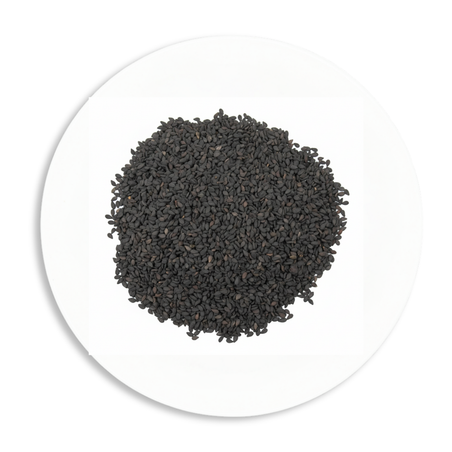
Sesame Seed Black
Write a Review
Write a Reviews
Sesame Seed Black
SKU:
SPSSBK1
Botanical:
Sesamum indicum
Origin:
India
Allergen:
Sesame is a known allergen
$10.63 - $25.32

Sesame Seed Black
$10.63 - $25.32
FAQs
What do black sesame seeds taste like?
Black sesame seeds have a more robust, intense, and slightly bitter flavour compared to white sesame seeds. When toasted, they become deeply nutty and aromatic, with earthy undertones.

Are black and white sesame seeds the same plant?
Yes, they come from the same plant (Sesamum indicum). Black sesame seeds are unhulled, meaning their outer husks are intact, which contributes to their darker colour and stronger flavour. White sesame seeds are typically hulled.

How should I toast black sesame seeds?
Toasting enhances their flavour significantly. Heat a dry skillet over medium heat, add the seeds in a single layer, and toast for 2-5 minutes, stirring frequently, until they become fragrant. Watch them carefully as they can burn quickly. Let them cool before using.

How should I store black sesame seeds?
Due to their high oil content, black sesame seeds can go rancid. Store them in an airtight container in a cool, dark place. For extended freshness, especially after opening, it's best to store them in the refrigerator or freezer.

Are black sesame seeds an allergen?
Yes, sesame is a common allergen. Individuals with sesame allergies should avoid this product. Our facility also processes nuts, gluten, and soy, so cross-contamination is possible. Always check ingredient lists and consult with a healthcare professional if you have allergies.

What are common uses for black sesame seeds?
They are widely used in Asian and Middle Eastern cuisines as a garnish for savoury dishes, in sushi rolls, bread, crackers, and sweet dishes like black sesame paste, ice cream, and mochi. They're also essential for making black gomasio or dark tahini.
Related Products

Sesame Crust Blend
About
Enhance your culinary creations with our Sesame Crust Blend, a nutty, aromatic, and flavorful seasoning crafted fresh at The Herbal Connection. This simple yet bold blend of black and white...
$7.36 - $17.53

Poppy Seed
About
Poppy Seed (Papaver somniferum) is a small, oval oilseed prized for its rich, nutty flavour and satisfying crunch. Whole or ground, it's a staple baking and cooking ingredient — used as a...
$7.74 - $18.42