Calendula extracts have anti-viral, anti-genotoxic, and anti-inflammatory properties. Calendula is used topically for treating acne, reducing inflammation, controlling bleeding, and soothing irritated tissue. Calendula has been used traditionally for abdominal cramps and constipation. Calendula is known to cause allergic reactions. It should be avoided during pregnancy.
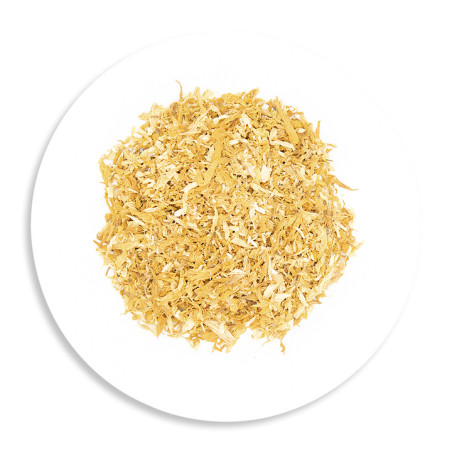
Calendula Petals (Calendula officinalis) — whole dried petals of the Pot Marigold, sourced from Egypt, one of the world's primary producing regions for dried calendula for the food, tea, and natural cosmetic markets. Calendula is a warm-season annual in the Asteraceae (daisy) family, native to the Mediterranean and cultivated for centuries for its vivid golden-to-deep-orange flowers and broad applications across culinary, tea, and topical formulations. The dried petals retain their characteristic golden-orange colour — produced by carotenoid pigments including lutein and beta-carotene — and carry a mildly earthy, slightly spicy-floral character that is gentle and approachable in tea blends.
This is the conventional (non-certified organic) product from Egypt — an accessible, cost-effective option for buyers where organic certification is not required. Naturally caffeine-free. Available in 250g, 500g, and 5kg bulk. Note: 1kg is not available for this SKU. This product is sold as a food only.
⚠ Safety Notes: Calendula belongs to the Asteraceae (Compositae) family — individuals with known sensitivities to plants in this family (including ragweed, chrysanthemums, and daisies) may experience allergic reactions to calendula, both through consumption and topical use. Not recommended during pregnancy. Consult a qualified healthcare professional before use if you are pregnant, breastfeeding, or have known plant allergies. This product is sold as a food only and is not intended to diagnose, treat, cure, or prevent any disease.
Product Specifications
BotanicalCalendula officinalis
Common NamesCalendula; Pot Marigold; Garden Marigold; Mary's Gold
OriginEgypt
Organic StatusConventional — not certified organic
Allergen Note⚠ Asteraceae family — potential cross-reactivity for ragweed/Compositae-sensitive individuals. Not for use in pregnancy.
Sizes Available250g, 500g, 5kg bulk (not individual units) — 1kg not available in this SKU
StorageBelow 23°C in a sealed, dry, dark, airtight container
Calendula Petals — FAQs
Everything you need to know before you order.
Calendula petals have a broad and well-established range of applications. Tea blending: a popular botanical inclusion in premium herbal and floral blends — the vivid golden-orange petals provide warm, sunny colour in the dry blend and infuse to a gentle golden hue, contributing a mild botanical note alongside more assertive ingredients like hibiscus, chamomile, or peppermint. Culinary: scatter over salads, egg dishes, and soups as an edible garnish; fold into soft cheeses and butter for golden colour; press onto cake and pastry surfaces for floral decoration. Historically used as a natural yellow-orange food colourant — sometimes called "poor man's saffron" for its colouring properties in dairy, baked goods, and rice. Cosmetics: one of the most widely used botanicals in natural skincare formulation — infused oils, balms, salves, soaps, and botanical extracts. The certified organic version (HTO.CALK1) is appropriate for certified organic cosmetic formulations.
Calendula petals have a mild, slightly earthy, gently bitter flavour with a subtle spicy-floral undertone — similar to a very mild chamomile with a hint of bitterness. In tea blends the flavour contribution is gentle and supporting; the petals are used primarily for their warm golden colour and visual appeal rather than as a dominant flavour ingredient. They blend naturally with chamomile (complementary mild floral character), lemon balm (citrus brightness), rose petals, and rooibos, where the calendula adds warmth and colour depth without competing with the primary flavour notes. Calendula is one of the most versatile visual ingredients in premium herbal tea blending.
Calendula is a member of the Asteraceae (Compositae) plant family — a large family that includes ragweed, chrysanthemums, daisies, chamomile, echinacea, and arnica. People with known sensitivities or allergies to plants in this family may also react to calendula through cross-reactivity, whether via consumption or topical application. Reactions can range from mild hay fever-type symptoms or skin irritation to more significant allergic responses in highly sensitised individuals. People with confirmed ragweed allergy or Asteraceae sensitivity should exercise caution and consult a healthcare professional before using any calendula product. This product is not recommended during pregnancy.
The primary differences are certification status, origin, and price. This conventional calendula (HT.CALK1) is sourced from Egypt and is not organically certified — it is the cost-effective option for buyers where organic certification is not required for product labelling or compliance. The Certified Organic Calendula Petals (HTO.CALK1) are sourced from India, carry certified organic certification, and are appropriate for labelling as "Certified Organic" in product formulation. Both are Calendula officinalis and produce the same characteristic golden-orange colour and mild floral character. An Orange Marigold Calendula Petals Organic is also available — a more intensely orange-coloured variety from India — for applications where a deeper, more saturated orange colour is preferred.
Yes — conventional calendula petals are widely used in natural cosmetic formulation. Common applications include infused oils (macerate petals in a carrier oil such as sunflower or jojoba for 4–6 weeks in sunlight, or use a warm extraction method, then strain) for use in balms, salves, creams, and body oils. The conventional product is suitable for general cosmetic use. For applications requiring certified organic ingredient status for cosmetic labelling or certification — for example, certified organic skincare lines — the organic version (HTO.CALK1) is the appropriate choice. Note the Asteraceae allergy caution — some individuals may be sensitive to topical calendula; this should be factored into product labelling and consumer communications.
The standard sizes listed — 250g, 500g, and 5kg — are our regular stocked wholesale pack sizes, but The Herbal Connection is a wholesale supplier and can accommodate bulk orders well beyond these standard sizes. Whether you are a tea blender, food manufacturer, cosmetics formulator, health food retailer, or large-scale buyer with ongoing volume requirements, we can discuss pricing and supply arrangements to suit your needs. Larger carton quantities, custom bulk packing, and regular standing orders are all available. Contact our wholesale team at sales@herbalconnection.com.au or call (07) 5451 8780 to discuss your specific volume requirements and receive a tailored quote.
BOTANICAL: field marigold (Calendula arvensis)Origin: India
Calendula is used topically for treating acne, reducing inflammation, controlling bleeding, and soothing irritated tissue. Calendula has...
BOTANICAL: Origin - India. Botanical Calendula officinalis Calendula extracts have anti-viral, anti-genotoxic, and anti-inflammatory properties. Calendula is used topically for treating...
About
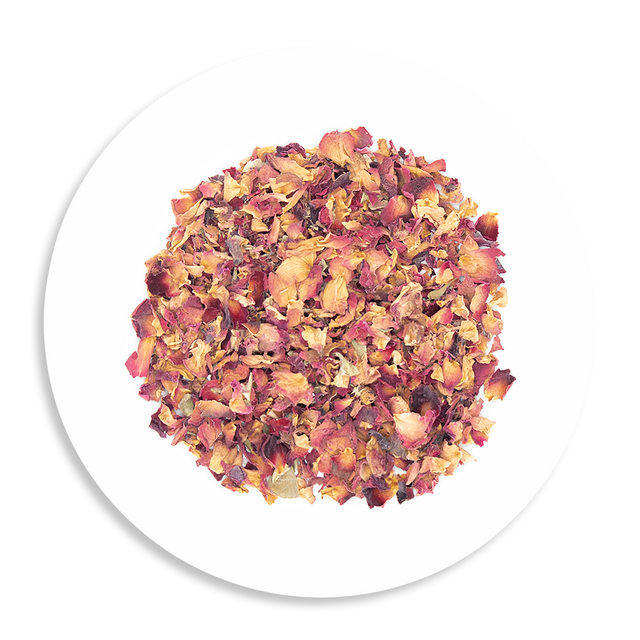
Conventional Red Rose Petals are a beautiful and aromatic ingredient, known for their vibrant colour and delicate fragrance. Sourced from carefully selected farms, these rose petals retain the...
Rosa centifolia
Origin: India
Rose petals are traditionally known for their heavenly aroma. Metaphorically the rose is related to the emotion love, and traditionally the most predominant flower...