Walnuts (Juglans regia) are a tree nut belonging to the walnut family.
They originated in the Mediterranean region and Central Asia and have been part of the human diet for thousands of years.
These nuts are rich in omega-3 fats and contain higher amounts of antioxidants than most other foods. Eating walnuts may improve brain health and prevent heart disease and cancer (1Trusted Source).
Walnuts are most often eaten on their own as a snack but can also be added to salads, pastas, breakfast cereals, soups, and baked goods.
They’re also used to make walnut oil — an expensive culinary oil frequently used in salad dressings.
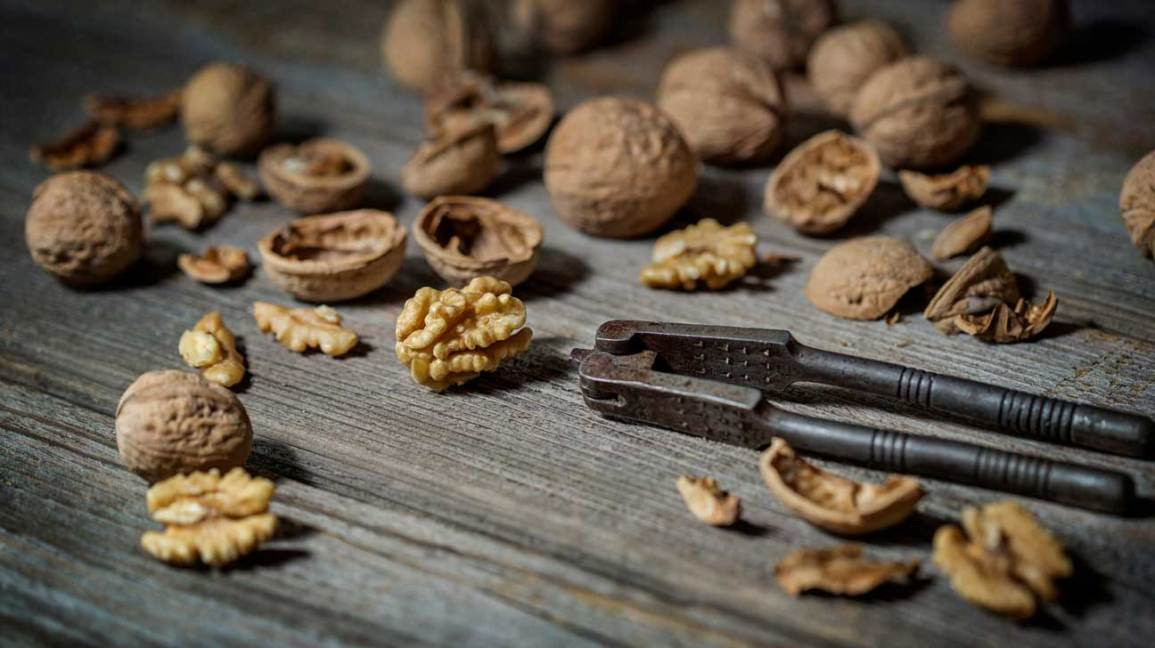
There are a few edible walnut species. This article is about the common walnut — sometimes referred to as the English or Persian walnut — which is grown worldwide.
Another related species of commercial interest is the eastern black walnut (Juglans nigra), which is native to North America.
Here’s everything you need to know about the common walnut.
Share on Pinterest
Nutrition facts
Walnuts are made up of 65% fat and about 15% of protein. They’re low in carbs — most of which consist of fiber.
A 1-ounce (30-gram) serving of walnuts — about 14 halves — provides the following nutrients (2Trusted Source):
Calories: 185
Water: 4%
Protein: 4.3 grams
Carbs: 3.9 grams
Sugar: 0.7 grams
Fiber: 1.9 grams
Fat: 18.5 grams
Fats
Walnuts contain about 65% fat by weight (2Trusted Source).
Like other nuts, most of the calories in walnuts come from fat. This makes them an energy-dense, high-calorie food.
However, even though walnuts are rich in fat and calories, studies indicate that they don’t increase obesity risk when replacing other foods in your diet (3Trusted Source, 4Trusted Source).
Walnuts are also richer than most other nuts in polyunsaturated fats. The most abundant one is an omega-6 fatty acid called linoleic acid.
They also contain a relatively high percentage of the healthy omega-3 fat alpha-linolenic acid (ALA). This makes up around 8–14% of the total fat content (2Trusted Source, 5Trusted Source, 6Trusted Source, 7Trusted Source).
In fact, walnuts are the only nuts that contain significant amounts of ALA (8Trusted Source).
ALA is considered especially beneficial for heart health. It also helps reduce inflammation and improve the composition of blood fats (8Trusted Source, 9Trusted Source).
What’s more, ALA is a precursor for the long-chain omega-3 fatty acids EPA and DHA, which have been linked to numerous health benefits (10Trusted Source).
SUMMARY
Walnuts are primarily made up of protein and polyunsaturated fat. They contain a relatively high percentage of omega-3 fat, which has been linked to various health benefits.
Vitamins and minerals
Walnuts are an excellent source of several vitamins and minerals, including:
Copper. This mineral promotes heart health. It also helps maintain bone, nerve, and immune system function (11, 12Trusted Source).
Folic acid. Also known as folate or vitamin B9, folic acid has many important biological functions. Folic acid deficiency during pregnancy may cause birth defects (13, 14Trusted Source).
Phosphorus. About 1% of your body is made up of phosphorus, a mineral that is mainly present in bones. It has numerous functions (15).
Vitamin B6. This vitamin may strengthen your immune system and support nerve health. Vitamin B6 deficiency may cause anemia (16).
Manganese. This trace mineral is found in the highest amounts in nuts, whole grains, fruits, and vegetables.
Vitamin E. Compared to other nuts, walnuts contain high levels of a special form of vitamin E called gamma-tocopherol (17Trusted Source, 18Trusted Source).
SUMMARY
Walnuts are an excellent source of several vitamins and minerals. These include copper, folic acid, phosphorus, vitamin B6, manganese, and vitamin E.
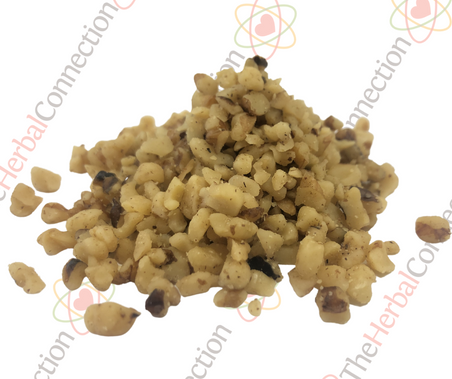
Walnut Crumbs (Juglans regia) — raw, crumbled walnut kernels sourced from China, one of the world's largest walnut-producing countries. Juglans regia, the common or Persian walnut, is native to the region stretching from the Mediterranean and the Middle East through to Central Asia, and has been cultivated and eaten by humans for thousands of years. The "crumbs" format — small, broken pieces of walnut kernel — delivers the full flavour and character of the walnut in a convenient, ready-to-use format that eliminates the need to chop whole walnut halves. Walnuts are botanically a tree nut and are a mandatory declared allergen under FSANZ regulations.
The flavour of raw walnuts is distinctively bold and complex — earthy, pleasantly bitter (from tannins in the thin brown skin), and richly nutty with a slight astringency that distinguishes walnuts from other nuts and makes them particularly effective as a flavour contrast ingredient in baking, salads, and confectionery. Toasting significantly transforms the flavour, mellowing the bitterness and bringing forward a warmer, deeper, more rounded nuttiness. The crumbled format distributes evenly through batters and mixes and provides visual appeal as a topping. ⚠ Allergen: Contains walnuts (tree nut allergen) — mandatory FSANZ declared allergen. Not suitable for nut-allergic individuals. Available in 250g, 500g, 1kg, and 5kg bulk.
Product Specifications
BotanicalJuglans regia
Common NameWalnut; Common Walnut; English Walnut; Persian Walnut
OriginChina
Ingredient100% Walnut Kernels (Juglans regia) — no added salt, oil, or flavouring
ProcessingRaw and unroasted — crumbled/broken pieces; shell removed
Flavour ProfileBold, earthy, pleasantly bitter — complex nuttiness with slight tannin astringency from skin
Allergens⚠ CONTAINS WALNUTS (tree nut). Trace elements of other tree nuts may be present. Not suitable for nut-allergic individuals. The Herbal Connection makes no allergen-free claims.
StorageBelow 23°C in a sealed, dry, dark, airtight container — refrigerate or freeze for extended freshness
Walnut Crumbs — FAQs
Everything you need to know before you order.
Walnut crumbs are broken, irregular small pieces of walnut kernel — they are essentially pre-chopped walnuts, providing the convenience of uniform small pieces without the labour of manually chopping whole halves. For food manufacturing, commercial baking, and granola production where walnuts need to be distributed evenly through a product, the crumbs format is more practical and time-efficient than whole halves. The smaller pieces also integrate more seamlessly into batters, mixes, and toppings. The trade-off is that crumbs have more surface area exposed to air than whole halves, making them more susceptible to oxidation — sealed airtight storage and refrigeration is more important for crumbs than for whole nuts.
Baking: fold into banana bread, brownies, coffee cake, muffins, and biscotti — walnut's bitter-earthy character pairs exceptionally well with banana, chocolate, coffee, maple, and spiced baked goods; also use in walnut-and-date loaves and Middle Eastern-inspired pastries. Salads: scatter over green salads with blue cheese, dried cranberries, and pears; toss through grain salads and roasted vegetable dishes where the bitterness provides contrast. Confectionery: fold into chocolate bark and brownies; use in pralines; scatter over caramel tarts and cheesecake. Granola and muesli: a classic granola inclusion — toast before adding for maximum flavour. Pasta and savoury: scatter over pasta with gorgonzola or rocket pesto; use in walnut-based pasta sauces (salsa di noci is a classic Ligurian walnut sauce). Pesto and sauces: blend with basil, garlic, olive oil, and Parmesan for a walnut pesto alternative to pine nuts.
The bitterness in walnuts comes from tannins concentrated in the thin papery brown skin (pellicle) that covers the kernel. This bitterness is a natural characteristic of the walnut and — in moderate amounts — is considered a positive attribute, providing the complexity and "bite" that distinguishes walnuts from blander nuts. The degree of bitterness varies with walnut variety, freshness, and storage conditions. To reduce bitterness: toasting in a dry pan or oven at 160°C for 8–10 minutes significantly mellows the tannins and brings forward a warmer, rounder nut flavour. Soaking raw walnuts in cold water for 2–4 hours and draining also reduces tannin content by leaching some of the water-soluble compounds. For most baking applications, raw walnut crumbs used directly produce the appropriate flavour — the bitterness is moderated by other ingredients and by baking heat.
Yes — walnuts are classified as tree nuts, which are a mandatory declared allergen under FSANZ (Food Standards Australia New Zealand) Standard 1.2.3. This product contains walnuts and is not suitable for individuals with tree nut or walnut-specific allergies. Walnut allergy can cause reactions ranging from mild (oral allergy syndrome, which is common in people with birch pollen allergy) to severe (anaphylaxis). The Herbal Connection makes no allergen-free claims — trace elements of other tree nuts may be present from farming and manufacturing environments. Buyers formulating finished food products using these walnut crumbs as an ingredient must ensure their product label includes a clear tree nut/walnut allergen declaration in compliance with FSANZ labelling requirements.
Walnuts have an exceptionally high polyunsaturated fat content — the highest of any common nut — which makes them the most susceptible of all commercial nuts to oxidative rancidity. Rancid walnuts have a noticeably sharp, chemical, paint-like or fishy off-odour and bitter off-flavour that is distinctly unpleasant and different from their natural bitterness. The crumbled format accelerates this further due to increased surface area. Storage is critical: store in a sealed, airtight container in the refrigerator or freezer. Refrigerated walnut crumbs will stay fresh for several months; frozen crumbs can be stored for 12+ months. Pantry storage is only suitable for very short periods (a few weeks) in cool climates. Allow to come to room temperature in a sealed container before using to prevent condensation on the cold nuts. If you detect any off-odour or sharp chemical smell, the walnuts have oxidised — do not use.
The standard sizes listed — 250g, 500g, 1kg, and 5kg — are our regular stocked wholesale pack sizes, but The Herbal Connection is a wholesale supplier and can accommodate bulk orders well beyond these standard sizes. Whether you are a bakery, granola or muesli producer, confectionery manufacturer, health food retailer, or large-scale buyer with ongoing volume requirements, we can discuss pricing and supply arrangements. Contact our wholesale team at sales@herbalconnection.com.au to discuss your specific requirements.