
What Exactly is a Sloe Berry?
Posted by Renae Colbert on 16th Sep 2025
Sloe Gin: Crafting a Ruby-Red Liqueur from the Hedgerow Jewel
There are few things more satisfying than creating your own liqueur, and none is more steeped in tradition and folklore than sloe gin. This ruby-red tipple is a quintessential taste of the British countryside in autumn, a warming and rewarding project for any home crafter. The magic lies in one key ingredient: the humble but powerful sloe berry.
Today, we're unlocking the secrets of this cherished liqueur by focusing on its star, the Organic Sloe Berry. We'll delve into the history of the blackthorn tree, guide you step-by-step through making the perfect batch of sloe gin, and explore what to do with those delicious, gin-soaked berries once you're done.
What Exactly is a Sloe Berry?
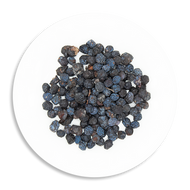
Sloe berries are the fruit of the blackthorn (Prunus spinosa), a thorny, wild shrub native to Europe and Western Asia. The berries themselves are small, dark bluish-purple drupes, looking like tiny, wild plums. If you were to pop one in your mouth straight from the branch, you'd be in for a shock. Raw sloes are intensely tart and astringent, with a flavour that will instantly dry out your mouth.
This is the crucial thing to remember: sloe berries are not for eating raw.
Their magic is only unlocked through patience. When macerated in alcohol and sugar, their fierce astringency mellows, releasing a magnificent, complex flavour with notes of plum, cherry, and a subtle hint of almond from the stone within.
Folklore and the First Frost
Tradition dictates that you shouldn't pick sloe berries until after the first frost of winter. The old wisdom was that the frost "blets" the fruit, splitting the skins and softening the flesh to release the juices. There's scientific truth to this – freezing causes the water inside the fruit's cells to expand and burst the cell walls.
For the modern forager or home brewer, this tradition offers a convenient shortcut. There's no need to wait for the perfect frosty morning. By purchasing high-quality dried or fresh Organic Sloe Berries, you can simply pop them in your freezer overnight. This perfectly mimics the effect of the first frost, splitting the skins and saving you the laborious task of pricking each berry with a pin.
The Ultimate Guide to Making Sloe Gin
Making sloe gin is incredibly simple; the only difficult ingredient is time.
You Will Need:
- A large, sterilised glass jar with a tight-fitting lid (a 1.5-2 litre preserving jar is perfect).
- 1 litre of good quality gin. You don't need a top-shelf botanical gin, as the sloes will provide the flavour. A standard, reliable London Dry style is ideal.
- 450g of Organic Sloe Berries.
- 225g of caster sugar. You can adjust this to taste; some prefer less sugar for a tarter finish.
The Method:
- Prepare the Berries: Rinse your sloe berries in cool water and remove any stems or leaves. If they haven't been frozen already, place them in a bag in the freezer overnight.
- Combine the Ingredients: Once the berries are thawed (their skins should be split), tip them into your large sterilised jar. Pour over the sugar, followed by the entire bottle of gin.
- Shake, Shake, Shake: Seal the jar tightly and give it a vigorous shake to start dissolving the sugar.
- The Long Wait: Place the jar in a cool, dark place, like the back of a cupboard. For the first week or two, give it a good shake every day or so to ensure all the sugar dissolves. After that, you can leave it to infuse.
- How Long to Wait?: The absolute minimum steeping time is two months, but three is better. Some patient souls leave theirs for six months or even a year! The longer it steeps, the deeper and more complex the flavour will become. You'll see the colour transform from clear to a beautiful, deep ruby red.
- Strain and Bottle: When you're happy with the flavour, it's time to strain. Line a sieve or funnel with a couple of layers of muslin or cheesecloth and pour the sloe gin through it into clean, sterilised glass bottles. This removes all the fruit sediment and ensures a clear liqueur.
- Age to Perfection: Your sloe gin is ready to drink now, but its flavour will improve dramatically if you let it age in the bottle for a few more months. The harshness will mellow, and the flavours will round out beautifully.
Beyond the Gin: Don't Waste the Fruit!
After straining, you'll be left with a pile of plump, gin-soaked berries. It would be a crime to throw them away!
- Sloe Gin Chocolates: Carefully remove the stones, chop the berry flesh, and mix it into a simple chocolate truffle ganache.
- Sloe Port: Put the leftover berries in a new jar, cover with a decent red wine (like a Merlot), add a little more sugar to taste, and leave for another month. The result is a delicious, port-like liqueur.
- A Boozy Topping: De-stone the berries and use them in a fruitcake, or gently warm them and serve over vanilla ice cream.
A Taste of Tradition
Crafting sloe gin is more than just making a drink; it's participating in a timeless tradition. It’s a slow, rewarding process that connects you to the seasons and results in a truly special, homemade creation. Perfect for sipping on a cold evening or giving as a cherished gift, it's a taste of the wild hedgerow, bottled.