
The Great Confusion: A Guide to Coriander Seed (Not Cilantro!)
Posted by Reese Colbert on 18th Nov 2025
The Great Confusion: A Guide to Coriander Seed (Not Cilantro!)
It's the most common culinary confusion. You buy "coriander" in a spice jar, but the fresh bunch at the greengrocer is also called "coriander." One tastes warm and citrusy, the other tastes "soapy." What's going on? We're settling the debate for good.
Introduction: The Plant with Two Personalities
If you're confused, you have every right to be. The *Coriandrum sativum* plant is a culinary marvel with two completely different identities. Depending on where you are in the world, the names get tangled, but the flavours are night and day. In Australia, we tend to use the names "Fresh Coriander" and "Ground Coriander." In the United States, the confusion is even greater, as the two parts have entirely different names.
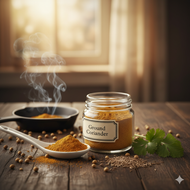
This guide is a deep dive into **Ground Coriander**—the spice. We'll explore why it's the total opposite of its leafy counterpart, how it differs from its partner-in-crime cumin, and why this Australian-grown spice is a foundational, must-have ingredient in your pantry.
Chapter 1: The #1 Confusion: Coriander (Seed) vs. Cilantro (Leaf)
Let's clear this up immediately. Both products come from the *Coriandrum sativum* plant, but they are as different as a tomato and a potato.
The LEAF (Cilantro / Fresh Coriander)
- Flavour: Bright, pungent, citrusy, and famously "soapy" to some people. This divisive flavour is due to a specific aldehyde compound in the fresh leaves.
- How It's Used: As a *fresh herb*. It's added at the very end of cooking or as a raw garnish. It's the key flavour in Mexican salsa, Vietnamese pho, and Thai green curry. Its delicate flavour is destroyed by heat.
The SEED (Coriander Spice / This Product)
- Flavour: Warm, earthy, floral, and nutty with a distinct **sweet, citrusy note** (like orange peel). It contains **zero** of the "soapy" aldehydes.
- How It's Used: As a *dried spice*. The seeds are harvested, dried, and ground. It's used *during* the cooking process, often bloomed in oil at the start. It is the foundational, warming base of countless Indian curries, spice rubs, and stews.
The Verdict: They are 100% NOT interchangeable. Never substitute one for the other. A recipe calling for "ground coriander" wants the warm, earthy seed. A recipe calling for "fresh coriander" wants the pungent, soapy leaf.
Chapter 2: The *Other* Confusion: Coriander vs. Cumin
This is the second most common mix-up, as these are the two "C's" of the spice rack that sit side-by-side in almost every curry recipe. Unlike coriander vs. cilantro, these two *are* both dried spices, but they are not substitutes.
Think of them as a musical duo:
- Coriander: This is the "upper" note, or the melody. It's bright, light, floral, and citrusy. It adds the aromatic, fragrant high notes to a spice blend.
- Cumin: This is the "bass" note. It's deep, smoky, musky, earthy, and savoury. It gives the blend its rich, pungent, and unmissable foundation.
A dish with only cumin will taste earthy and flat. A dish with only coriander will taste floral and thin. Together, they create a perfectly balanced, complex flavour. A curry needs both its bass and its melody. They are partners, not rivals.
Chapter 3: How to Use Ground Coriander (The "Bloom")
Ground Coriander is a foundational spice, not a finishing spice. Its full, complex flavour is **oil-soluble**, which means you need to cook it in fat to unlock its true potential. Simply stirring the powder into a stew at the end will result in a raw, "dusty" taste.
The "Bloom" Technique:
This is the most important rule for all ground spices.
- Heat your oil or ghee in the pan over medium heat.
- Add your ground spices: Ground Coriander, cumin, turmeric, etc.
- Stir them constantly in the hot oil for 30-60 seconds, until they become intensely fragrant.
- Now, add your other ingredients (like onions, garlic, or liquids).
This simple step rehydrates the spice, cooks off the raw flavour, and infuses the entire oil base with its warm, citrusy notes. It's the difference between a bland curry and a spectacular one.
Chapter 4: Culinary Uses & The Australian Advantage
Coriander is one of the world's most versatile spices. It's a team player, blending beautifully with other strong flavours.
- Indian Cuisine: The absolute base of almost every curry powder (masala). It's used in dals, kormas, and vindaloos.
- Mexican & Tex-Mex: A key ingredient in chili powder blends and spice rubs for *carnitas* (pork) and chicken.
- Middle Eastern: A core component of blends like *Baharat* and *Dukkah*.
- European Cooking: Used in spice rubs for pork, in pickling brines, and even in some traditional breads and biscuits.
Why Australian Grown?
By choosing our Australian Grown Ground Coriander, you are not only supporting our local farmers but also getting a product with a real advantage. Spices grown with high standards and a short supply chain—from an Australian farm to our facility to you—retain more of their volatile oils. This means a fresher, more potent product with a brighter, more vibrant citrus-and-warmth aroma.
Conclusion: The Unsung Hero of the Spice Rack
Ground Coriander may not have the fiery punch of chilli or the smoky dominance of cumin, but it is the ultimate "team player" spice. It is the versatile, balancing partner that makes all the other spices in the blend taste better. It adds a non-negotiable warmth and a bright, citrusy lift that no other spice can replicate.
And now you know for certain: it tastes *nothing* like the "soapy" leaf!
Ready to build a better curry? You can find our fresh, Australian Grown Ground Coriander here.
Disclaimer: This information is for educational purposes only and is not intended to diagnose, treat, cure, or prevent any disease. This product is sold as a food only. Please consult with a qualified healthcare professional before use.