
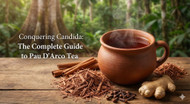
Conquering Candida: The Complete Guide to Pau D'Arco Tea
Posted by Reese Colbert on 9th Jan 2026
Conquering Candida: The Complete Guide to Pau D'Arco Tea
Deep in the Amazon Rainforest grows a tree known as the "Divine Tree." Its inner bark, known as Pau D'Arco or Lapacho, has been used for centuries to fight infection. Here is how to use it correctly (and why you must boil it).
Introduction: The Tea of the Incas
In the world of herbal medicine, few plants have a reputation as fierce as Pau D'Arco. Indigenous tribes of the Amazon, including the Guarani and Tupi, called the tree Tajy, which translates to "to have strength and vigor." They used the inner bark to make bows for hunting, but they also used it to create a potent medicinal brew to treat everything from fevers to snake bites.
Today, Pau D'Arco (*Tabebuia impetiginosa*) is one of the most searched-for herbs globally, particularly by those battling Candida overgrowth, fungal infections, and compromised immune systems. But it is also an herb that is frequently misused.
If you have bought a bag of our Organic Pau D'Arco Inner Bark and simply poured hot water over it like a green tea, you are missing out on 90% of its benefits. In this guide, we will explore the science of the inner bark, why boiling is non-negotiable, and how to make a brew that actually works.
Chapter 1: Inner Bark vs. Outer Bark (Quality Matters)
A common question people ask is: "Why is the colour of my Pau D'Arco different from the last batch?" or "Is this sawdust?"
The Tabebuia tree is massive, growing up to 150 feet tall. To get the medicine, you have to look inside.
The Outer Bark: This is the dark, crusty, protective layer of the tree. It is essentially dead wood. It is cheap, dark brown, and contains very little medicinal value.
The Inner Bark (Phloem): This is the living tissue of the tree that transports nutrients. It is usually lighter in colour (ranging from reddish-brown to shredded beige) and is packed with the plant's active defense compounds. This is the only part we sell.
When you buy "whole herb" Pau D'Arco, you want to see fibrous, shredded material that looks almost like wood shavings. This indicates you are getting the phloem, where the Lapachol and Beta-lapachone live. These are the naphthoquinones responsible for the herb's anti-fungal power.
Chapter 2: The Candida Connection
According to search data, the number one reason people turn to Pau D'Arco is for Candida Support.
Candida albicans is a yeast that lives naturally in your body. Usually, it’s kept in check by your good bacteria. But when you take antibiotics, eat too much sugar, or get stressed, Candida can grow out of control, leading to thrush, bloating, brain fog, and sugar cravings.
How does Pau D'Arco help?
Scientific studies suggest that the compound lapachol has a significant inhibitory effect on Candida. It works by interfering with the electron transport system of the yeast, essentially cutting off its energy supply. It doesn't just inhibit the growth; it can help kill the yeast cells.
Furthermore, because Pau D'Arco is also known to be anti-inflammatory and mildly laxative, it helps the body flush out the toxins released by dying yeast cells (often called the "die-off" reaction), making it a staple in any gut-reset protocol.
Chapter 3: The Art of Decoction (Stop Steeping!)
If you take one thing away from this blog, let it be this: You cannot make Pau D'Arco tea by steeping it.
Pau D'Arco is wood. It is dense, fibrous, and tough. The medicinal compounds are locked tight within that cellulose structure. Pouring hot water over it (Infusion) is like throwing a bucket of water on a log and expecting it to turn into paper. It won't work.
You must use a Decoction.
What is a Decoction?
A decoction involves placing the plant material in cold water, bringing it to a boil, and then simmering it for an extended period. This sustained heat breaks down the cellular walls of the bark and forces the naphthoquinones into the water. You know it's working when your kitchen smells earthy and woody, and the water turns a deep, reddish-amber colour.
Chapter 4: Master Recipes
Here are two ways to prepare this powerhouse herb. One for pure medicinal use, and one that tastes delicious.
Recipe 1: The "Gut Reset" Standard Decoction
This is the traditional preparation method. It yields a strong, medicinal tea.
Ingredients:
- 2 Heaping Tablespoons Organic Pau D'Arco Bark
- 4 Cups Filtered Water
Method:
- Place the bark and the water into a stainless steel or glass saucepan (avoid aluminium).
- Turn the heat to high and bring the mixture to a rolling boil.
- Once boiling, immediately turn the heat down to low.
- Put a lid on the pot (this is crucial to keep the volatile oils from escaping).
- Simmer gently for 20 to 25 minutes.
- Remove from heat and let it cool slightly.
- Strain through a fine mesh sieve.
- Drink 1 cup, up to 3 times a day. Store leftovers in the fridge for up to 48 hours.
Recipe 2: The "Amazonian Chai" (Better Taste)
Pau D'Arco has a naturally bitter, earthy taste that some find challenging. This recipe masks the bitterness with warming spices that also support digestion and anti-fungal activity.
Ingredients:
- 2 Tbsp Organic Pau D'Arco Bark
- 1 Cinnamon Stick (Anti-fungal & blood sugar support)
- 5 Whole Cloves (Anti-parasitic)
- 1 inch Fresh Ginger, sliced (Digestive fire)
- 1 Star Anise (Optional, for sweetness)
- 4 Cups Water
- Milk of choice (Coconut milk works best)
Method:
- Combine the Pau D'Arco, Cinnamon, Cloves, Ginger, Star Anise, and water in a pot.
- Bring to a boil, cover, and simmer for 20 minutes.
- Strain the dark liquid into a mug, filling it 3/4 full.
- Top with a splash of creamy coconut milk (the fat helps absorption).
- Sweeten with a little Stevia or Monk Fruit (avoid sugar/honey if you are fighting Candida!).
Chapter 5: Safety & Side Effects
While natural, Pau D'Arco is potent medicinal chemistry. It is not a tea to drink casually by the gallon.
Who should avoid it?
- Pregnancy & Breastfeeding: High doses of active lapachol can be harmful to fetal development. It is best avoided unless under strict professional guidance.
- Blood Thinners: Pau D'Arco has mild blood-thinning properties. If you are taking Warfarin or aspirin, or have surgery scheduled within 2 weeks, do not use this herb.
The "Die-Off" Reaction:
If you are using this tea to fight Candida, you might feel worse before you feel better. This is called the Herxheimer reaction. As the yeast dies, it releases toxins that can cause headaches, fatigue, or mild nausea. If this happens, reduce your dose to half a cup a day and drink plenty of water, then slowly increase as symptoms subside.
Conclusion: Strength of the Forest
Pau D'Arco is not a "fluffy" herbal tea. It is the strength of the Amazon forest, shredded into a bag. It demands respect in how you brew it and how you consume it. But if you are looking for a deep cleanse, powerful immune support, or a natural way to regain balance in your gut, the effort of boiling that pot is worth every minute.
Ready to brew some strength?
Shop our Premium Organic Pau D'Arco Inner Bark Here
Disclaimer: This blog post is for educational purposes only. The recipes and information provided are not intended to diagnose, treat, cure, or prevent any disease. Always consult with a qualified healthcare professional before adding potent herbal supplements to your diet, especially if you are pregnant or taking medication.